Rock Drill Anti-Jamming Systems: How They Work and Why They Matter
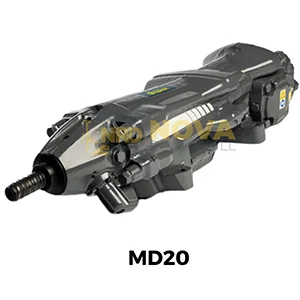
Drill string jamming is one of the most common and costly problems in rock drilling. Modern hydraulic rock drills incorporate sophisticated anti-jamming systems to detect and respond to jamming conditions automatically.
What Causes Jamming?
Jamming occurs when the drill string becomes stuck in the hole due to: rock collapse, swelling ground, cuttings accumulation, or incorrect drilling parameters. Without an anti-jamming system, the drill continues to apply rotation torque, potentially breaking the drill string.
How Anti-Jamming Works
The anti-jamming system monitors rotation torque and pressure. When torque exceeds a set threshold (indicating jamming), the system automatically reverses rotation direction to free the drill string before damage occurs.
Hydraulic Anti-Jamming
Hydraulic anti-jamming systems use pressure-sensing valves to detect jamming and automatically switch rotation direction. They are reliable and require minimal maintenance.
Electronic Anti-Jamming
Modern drill rigs use electronic control systems that monitor multiple parameters simultaneously and respond more quickly and precisely to jamming conditions. These systems also log jamming events for analysis.
Maintenance of Anti-Jamming Systems
Keep anti-jamming valve components clean and properly adjusted. Test the system regularly to ensure it responds correctly. Contact Nova Rock Drill for anti-jamming valve components and technical support.